
Surfaces That Drain Properly Before Construction Begins
Site Grading & Land Leveling in Nampa for properties with poor drainage causing water pooling and erosion damage
Water that pools against foundations, floods driveways, or erodes landscaped areas indicates improper site grading that directs runoff toward structures instead of away from them. Montclair Excavation and Services reshapes building pads, yards, and driveways to establish positive drainage that moves water to appropriate discharge points. The work involves cutting high spots, filling low areas, and creating slopes calculated to prevent both standing water and erosive flow velocities.
Grading begins with establishing finish grade elevations at key points—building corners, property boundaries, drainage swales, and paved surfaces. Equipment operators then move soil to match those elevations, creating slopes that range from two percent for lawn areas to steeper grades for swales and drainage channels. Finish grading smooths the surface to within inches of final elevation, preparing it for sod, seeding, or hardscape installation.
Request a detailed estimate based on your current drainage problems and desired finish grade elevations.
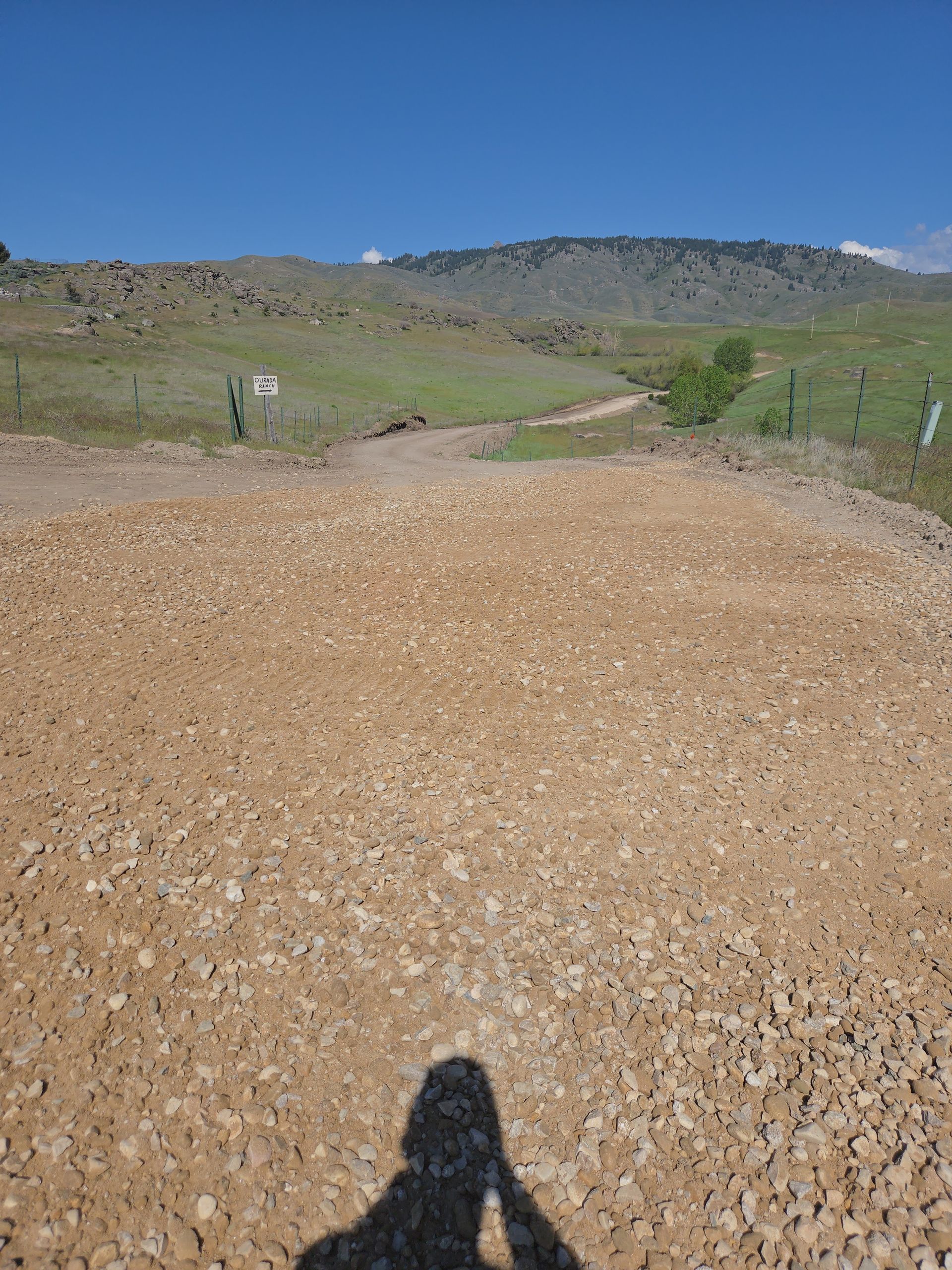
What Changes After Grading Is Finished
Rough grading establishes the overall site contours and major drainage pathways, moving larger volumes of soil to create building pads, swales, and berms. Finish grading refines those surfaces to smooth, even planes that meet exact elevations for concrete slabs, pavement, or landscape installation. Both processes require operators to track grade continuously using laser levels or GPS systems that show real-time elevation compared to design specifications.
Once grading is complete, water visibly flows away from structures during rainstorms instead of pooling in low spots or running toward foundations. Yard surfaces appear level to the eye but actually slope enough to move water without creating noticeable hills or valleys. Driveways and walkways tie into building entries at consistent grades that prevent tripping hazards or abrupt elevation changes.
Erosion control grading includes installing drainage swales, stabilizing slopes with appropriate gradients, and directing concentrated flow to reinforced channels or catch basins. Sites with steep natural slopes may require terracing or retaining walls to prevent soil movement. Clay-heavy soils common in parts of Nampa require specific compaction techniques to prevent settling after grading is complete.
Answers to Frequent Service Questions
Homeowners and developers preparing sites for construction or addressing existing drainage failures frequently ask about slope requirements, soil movement, and long-term performance of graded surfaces.
What slope percentage prevents water from pooling without causing erosion?
Most finish grading uses slopes between two and four percent—enough to move water reliably but gentle enough to prevent soil erosion and allow safe mowing. Steeper slopes require erosion control measures like sod, matting, or riprap depending on flow velocity.
How do grading contractors know they've reached the correct elevation?
Operators use rotating laser levels that project a reference plane across the site, with receivers mounted on grading blades showing real-time elevation relative to design grade. GPS-equipped machines receive elevation data directly and display cut-fill depth on in-cab screens.
Why does graded soil sometimes settle unevenly after completion?
Soil that isn't compacted in lifts as it's placed will settle over time as air pockets collapse and particles shift. Proper grading includes compacting fill material in eight-inch layers to specified density, verified by testing when structural support is required.
What happens to excess soil removed during grading?
Soil that can't be used onsite for fill is either stockpiled for future landscaping or hauled to disposal sites. Projects with significant cuts may generate enough material to require multiple truckloads, affecting project cost and timeline.
How does grading prepare a site for construction in Nampa?
Building pads must be graded to elevations that place foundations above seasonal groundwater levels and provide positive drainage away from all sides. Local frost depth requirements also affect finish grade elevations to maintain proper cover over footings.
Grading work requires balancing cut and fill volumes to minimize soil hauling costs while achieving required drainage and elevation goals. Montclair Excavation and Services develops grading plans that address both immediate drainage problems and long-term site stability.