
Earthmoving Done Right for Stable Foundations
Excavation Services in Nampa for new construction requiring precise building pad preparation and basement excavation
Properties in Nampa with variable soil composition and seasonal frost penetration require careful excavation planning to prevent foundation settling and structural movement. Montclair Excavation and Services removes soil to engineered depths and dimensions for residential basements, commercial building pads, and crawl space installations. You notice the difference when excavated surfaces are cut to exact elevations that match structural drawings rather than approximate depths that force adjustments later.
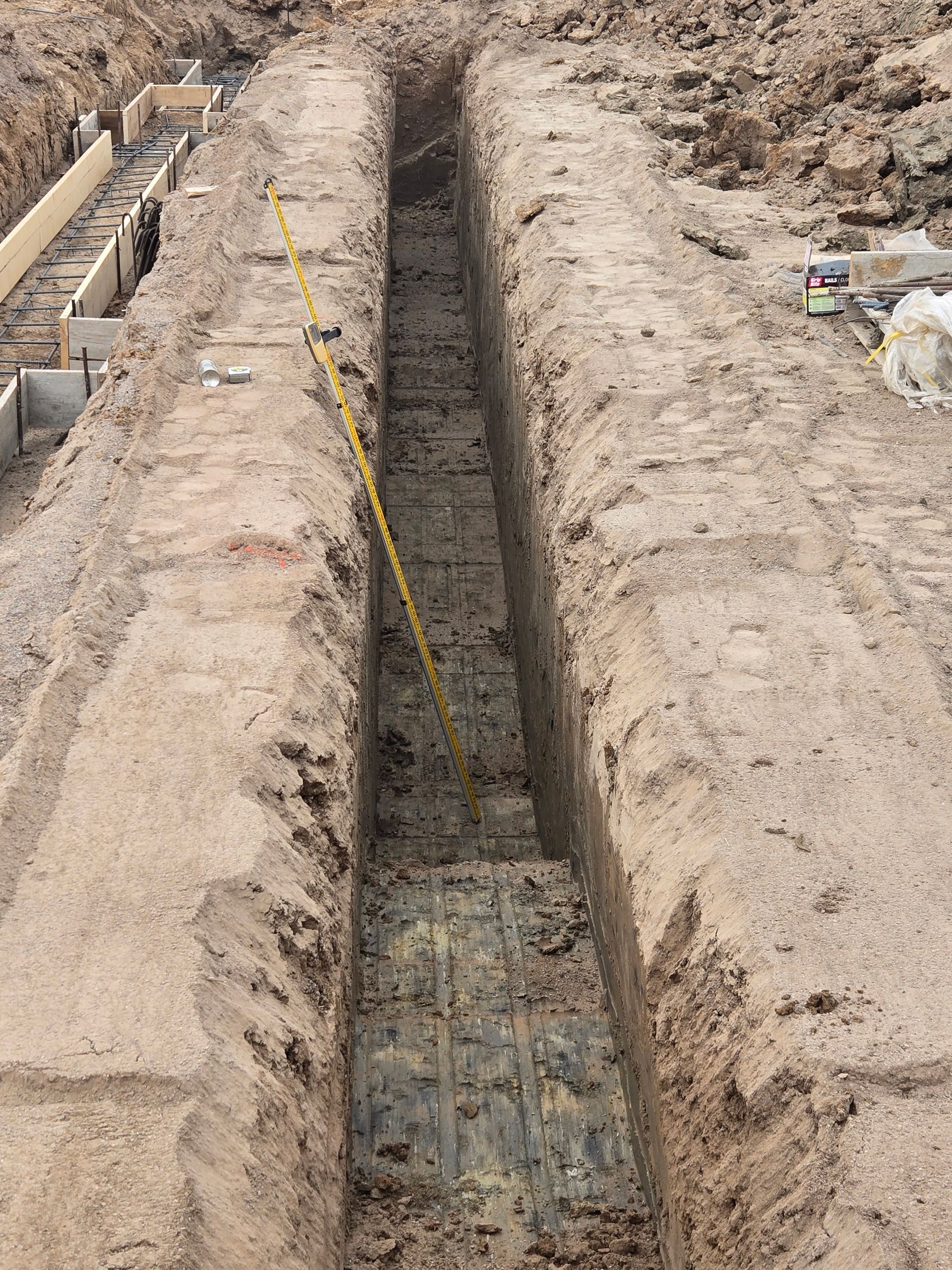
Excavation involves more than digging a hole—it requires maintaining stable sidewalls in sandy or gravelly soils, managing groundwater infiltration, and creating level surfaces that allow accurate formwork placement. Heavy equipment operators follow grade stakes and laser levels to achieve the depth and slope specifications that structural engineers require for load-bearing foundations.
Arrange an on-site consultation to review foundation requirements and soil conditions specific to your building location.
How Proper Excavation Affects Construction Quality
The excavation process begins with locating underground utilities, then removing topsoil and vegetation before cutting into load-bearing strata. Operators track excavation depth continuously, adjusting for soil type changes that affect sidewall stability. In cohesive clay soils, vertical cuts hold without shoring, but sandy deposits require sloped sidewalls or temporary bracing to prevent collapse during concrete placement.
After excavation is complete, you see a clean, level surface at the exact elevation specified on foundation plans, with sidewalls cut to angles that prevent cave-ins during concrete work. Basement excavations reveal any groundwater seepage points that require drainage solutions before waterproofing begins. Building pad excavations expose the soil layer that will support the structure, allowing engineers to verify bearing capacity matches design assumptions.
Residential projects typically involve basement or crawl space excavation with depths ranging from three to nine feet below finished grade. Commercial excavations may include large building pads that require removing several feet of unsuitable fill material and replacing it with compacted structural fill. Excavated material is either stockpiled onsite for backfill or hauled away if contaminated or unsuitable for reuse.
Common Questions About This Service
Contractors and property owners planning construction projects often ask about excavation depth accuracy, soil handling, and how weather affects the work schedule.
What determines the final depth of a basement excavation?
Structural drawings specify the elevation of the basement floor slab, which is calculated based on frost depth requirements, ceiling height needs, and the elevation of the main floor above. Excavation must reach the exact depth that allows proper footing placement below the frost line.
How do excavators handle unexpected groundwater during digging?
When excavation cuts below the water table, pumps remove infiltrating water continuously to keep the work area dry enough for inspection and concrete placement. In some cases, groundwater levels require installing permanent drainage systems or adjusting foundation design.
Why does excavated soil sometimes get rejected for backfill use?
Soil containing high clay content, organic material, or excessive moisture doesn't compact properly and can cause foundation settlement. Structural backfill requires granular material that compacts to specified density and provides drainage away from foundation walls.
What site access do excavators need for residential projects?
Heavy excavation equipment requires a minimum 12-foot-wide access path with overhead clearance for boom movement. Tight urban lots may require smaller equipment or hand excavation in areas where full-size machines can't operate.
How does frost affect excavation scheduling in Nampa?
Frozen ground prevents accurate excavation and proper soil compaction. Winter excavation projects often require frost protection measures or scheduling adjustments to complete soil work before temperatures drop consistently below freezing.
Montclair Excavation and Services coordinates excavation timing with concrete contractors and building inspectors to maintain construction schedules. Schedule a property evaluation to assess access routes and soil conditions that affect equipment selection and project approach.