Properties Prepared for Safe Development and Use
Land Clearing Services in Nampa for overgrown lots requiring complete vegetation removal and debris hauling
Montclair Excavation and Services handles land clearing for properties ranging from single residential lots to large acreage tracts in Nampa. You need this service when brush, trees, and accumulated debris prevent site access, construction planning, or property improvement. Overgrown vegetation creates fire hazards, hides drainage problems, and makes accurate surveying impossible.
The clearing process removes standing trees, established brush systems, root masses, and surface debris to expose the underlying soil and topography. Depending on the property's intended use, clearing can involve selective removal of specific vegetation or complete stripping down to bare earth. The work reveals existing grade, soil conditions, and subsurface obstacles that affect what can be built or installed.
Schedule a property evaluation to identify specific vegetation density and debris volume on your site.
What Happens After Vegetation and Debris Are Removed
Land clearing removes the visible vegetation first, then addresses root systems and embedded debris that interfere with grading or construction. Equipment selection depends on tree diameter, brush density, and whether stumps need grinding below grade or removal entirely. Some projects require biomass hauling offsite, while others allow onsite chipping or burning when permitted by local regulations.
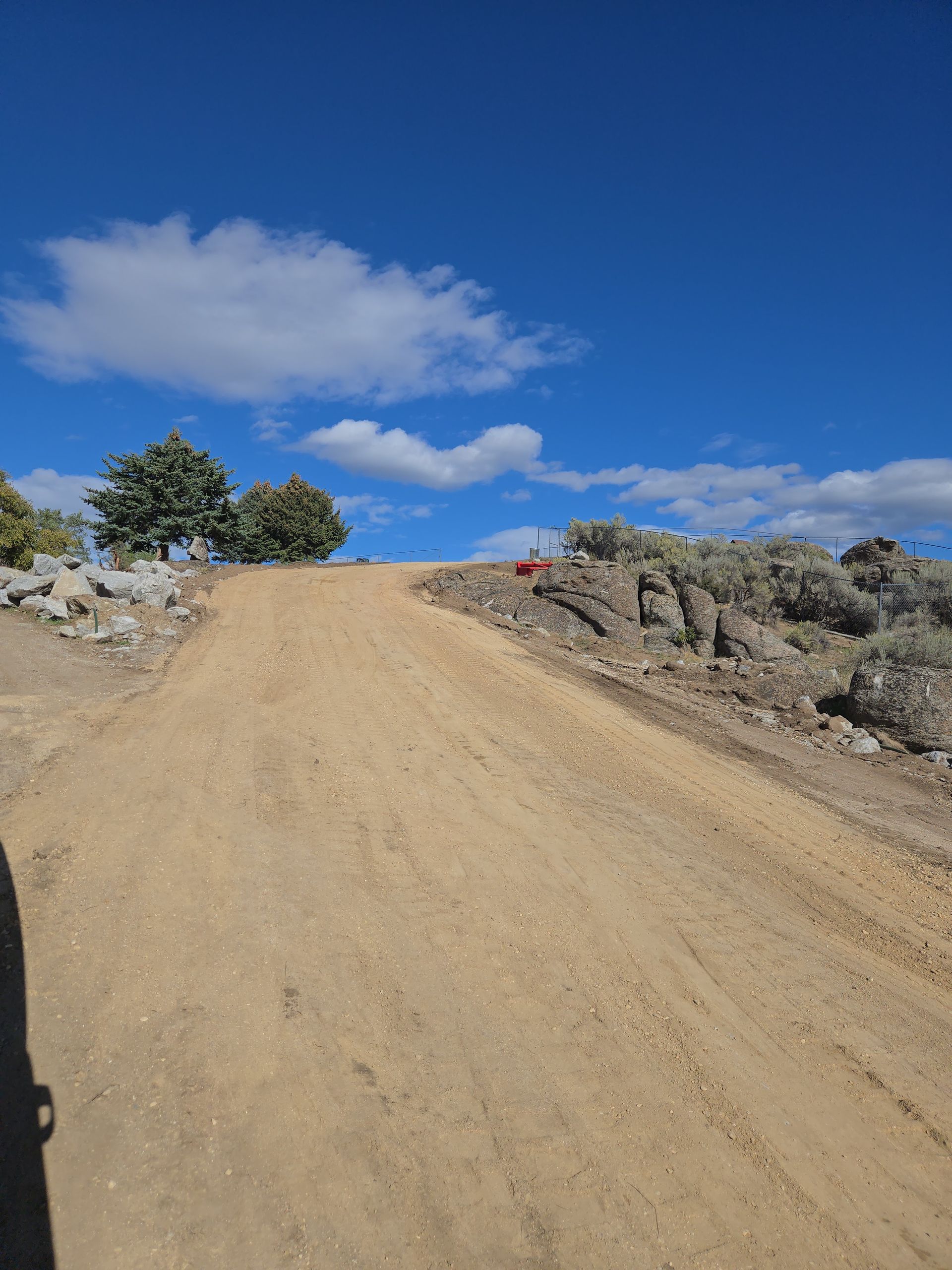
Once clearing is complete, you can walk the property boundary to boundary without obstruction, see the actual grade and drainage patterns, and identify any rock outcroppings or wet areas that weren't visible before. Surveyors can establish accurate property lines and building corners, and engineers can assess soil suitability for foundations or septic systems. The cleared surface also allows equipment access for excavation, grading, or utility installation.
Projects vary in scope from small residential lots with moderate brush to commercial parcels with mature trees and accumulated debris from years of neglect. Larger acreage jobs often reveal secondary issues like erosion gullies or abandoned infrastructure that affect site planning. The clearing phase establishes a clean baseline for all subsequent site work.
Questions Before Starting Your Project
Property owners preparing land for development or reclaiming overgrown parcels often ask similar questions about the clearing process, equipment requirements, and what remains after the work is finished.
What determines whether stumps need grinding or full removal?
If the area will be graded, paved, or built on, stumps are typically ground 12 to 18 inches below finished grade to prevent settling and allow proper compaction. Properties being cleared for pasture or landscape use may only require surface-level stump removal.
How does brush density affect the timeline for clearing?
Dense, overgrown lots with intertwined root systems and years of accumulated undergrowth require more time for root extraction and debris separation than properties with scattered trees and light brush. Equipment must work methodically to avoid leaving subsurface root mats that interfere with grading.
What happens to the cleared material after removal?
Debris is either hauled offsite to approved disposal facilities, chipped onsite for mulch material, or staged for burning if local air quality regulations and fire restrictions permit. The disposal method affects project cost and timeline.
Why does clearing expose drainage problems that weren't visible before?
Vegetation masks surface water flow patterns, low spots, and areas where runoff concentrates. Once cleared, you can see where water naturally moves across the property, which informs grading and drainage planning for development.
When is the best time to clear land in Nampa?
Fall and winter clearing allows the ground to settle and reveal any shifting or compaction issues before spring construction begins. Drier soil conditions also reduce equipment rutting and site disturbance during the clearing process.
Montclair Excavation and Services provides site-specific clearing plans based on vegetation type, property size, and intended use. Request a detailed estimate that includes debris disposal methods and equipment requirements for your property conditions.