
Roads Built to Last Through Years of Use
Access Road Construction in Nampa for properties requiring long-term drivable surfaces
Montclair Excavation and Services builds access roads in Nampa designed to handle heavy use without rutting, washout, or surface breakdown. Whether you need a construction entrance that supports equipment traffic, a farm road that drains properly during irrigation season, or a private driveway that remains stable through Idaho winters, the approach begins with proper subgrade preparation before any gravel is placed. These roads hold up because the base is compacted to specification and drainage is integrated from the start.
Access road construction involves clearing the route, excavating to stable soil, installing drainage features where water flow crosses or follows the road, and placing crushed aggregate in compacted layers. Without adequate drainage, even well-built roads fail as water undermines the base during freeze-thaw cycles or spring runoff.
Schedule a site evaluation to review your property layout and determine the most effective route and drainage configuration.
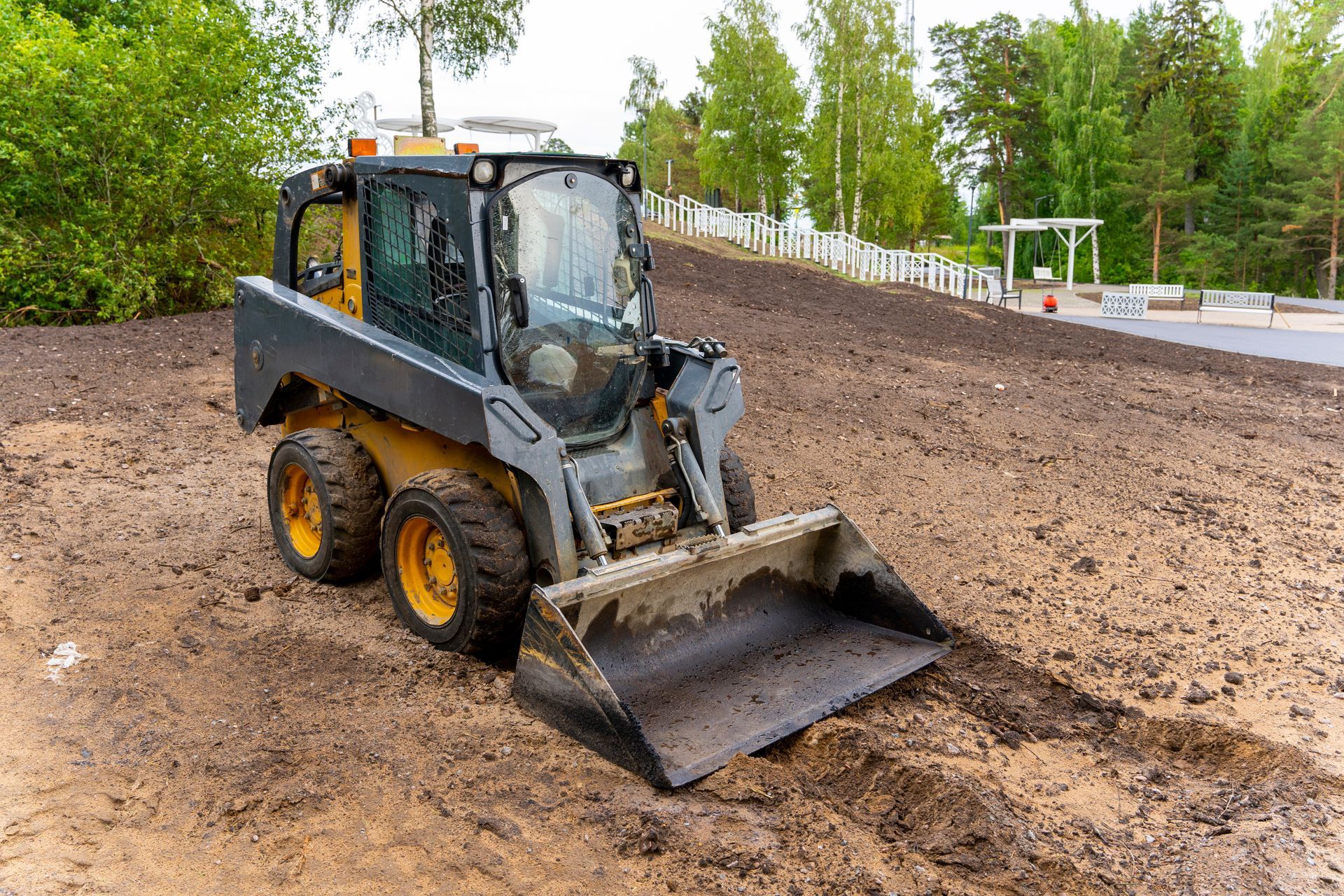
What Proper Road Construction Requires
The durability of an access road depends on subsurface preparation more than surface gravel depth. Excavation reaches stable soil or bedrock, eliminating soft spots that cause uneven settling. Crushed gravel is spread in lifts and compacted with mechanical rollers, creating a dense base that resists rutting under load. Crown is built into the surface so water sheds to ditches rather than pooling in wheel tracks.
Once completed, you notice the road surface stays firm under vehicle weight, water drains to the sides after rain, and the road remains passable through spring mud season without developing deep ruts. Culverts placed under the road keep ditches flowing and prevent washouts where natural drainages cross the route.
Maintenance requirements drop significantly compared to roads built without proper base preparation. Periodic gravel topdressing maintains the surface, but the structure underneath remains stable for decades when built correctly from the beginning.
What Property Owners Usually Ask
Questions about access road construction often focus on materials, drainage, and long-term performance.
What type of gravel works best for access roads?
Crushed angular aggregate compacts tighter than rounded river rock, creating a more stable surface that locks together under weight and resists displacement from turning vehicles.
How is drainage incorporated into the road design?
Cross-slope is built into the surface to direct water off the road, and ditches are graded along the edges to carry runoff away, with culverts installed wherever natural drainages intersect the roadway.
When is the best time to build an access road in Nampa?
Late summer through fall provides the driest soil conditions for excavation and compaction, though roads can be built year-round if weather permits equipment access and proper drainage is addressed.
Why do some roads develop ruts while others stay firm?
Ruts form when the base is either too thin, poorly compacted, or built over unstable soil without adequate excavation to reach a solid foundation layer.
What does property access improvement include beyond the road itself?
Access improvement often includes widening turning areas, adding drainage culverts, grading approaches to existing driveways, and stabilizing soft shoulders where vehicles park or turn around.
Montclair Excavation and Services addresses drainage and base preparation as part of every access road project. Contact us to arrange an on-site assessment and discuss routing options for your property.